
Understanding the Hit Club Phenomenon
In the rapidly evolving landscape of gaming, the concept of a "hit club" has gained significant traction. This term refers to communities or groups formed around specific gaming experiences where players congregate to share, compete, and connect. As gaming continues to blend social interaction with competition, understanding the dynamics of hit clubs becomes essential for both participants and organizers alike. When exploring options, hit club platforms provide comprehensive insights into fostering these vibrant communities.
What is the Hit Club?
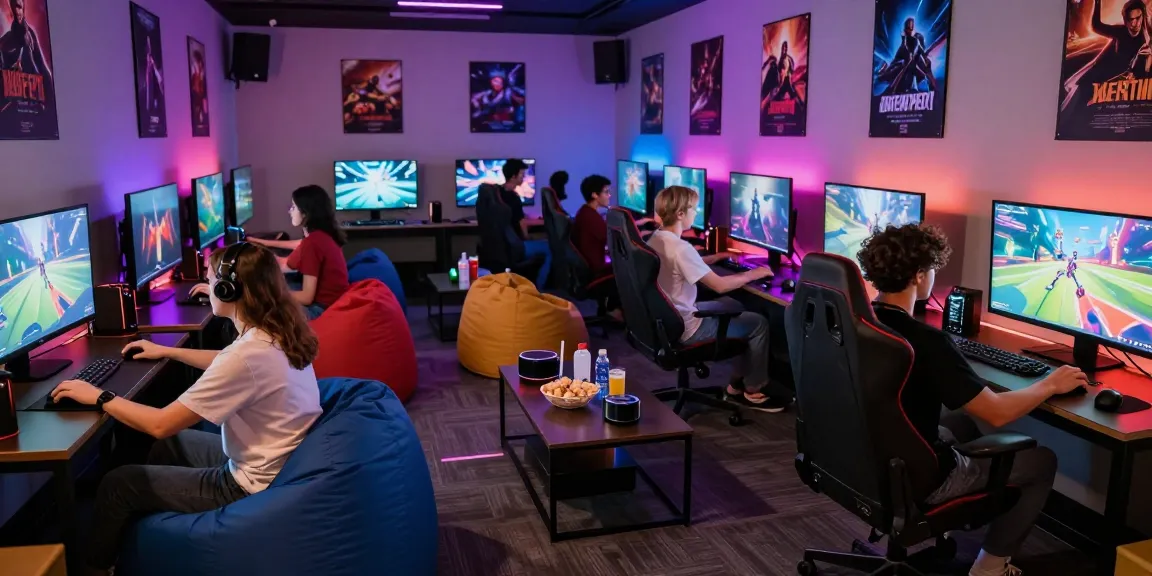
A hit club is fundamentally a gathering of gamers who often share a common interest in particular games or gaming genres. These clubs can take various forms, from informal online groups to more structured in-person meetups. They serve as a space for players to improve their skills, share strategies, discuss game mechanics, and simply enjoy the camaraderie that comes from shared interests. The hit club phenomenon has emerged as a direct response to the need for social interaction in gaming, especially in an age where virtual spaces often replace physical presence.
The Impact on Gaming Communities
Hit clubs play a crucial role in shaping the modern gaming community. They foster connections that transcend geographical barriers and create environments where individuals can engage with like-minded peers. These communities are particularly beneficial for newcomers to the gaming world, providing them with resources and support that can enhance their gaming journey. Moreover, hit clubs can host events, tournaments, and discussions that contribute significantly to the gaming culture at large, helping to keep genres and gaming experiences fresh and exciting.
Common Misconceptions About Hit Clubs
One prevalent misconception is that hit clubs are solely focused on competitive play. While many clubs do emphasize competition, the essence of these communities lies in the social connections they foster. Another myth is that hit clubs are exclusive to experienced gamers; in reality, they welcome individuals of all skill levels. Understanding these misconceptions is vital for gamers looking to engage fully in their communities, as it aids in dispelling barriers to entry that may discourage participation.
The Role of Social Interaction in Hit Clubs
Social interaction is the cornerstone of any hit club. The friendships and networks formed within these groups often provide a robust support system, encouraging players to improve and share their gaming experiences. This interconnectedness not only enriches the gaming experience but also instills a sense of belonging, which is particularly valuable in the gaming world.
Building Friendships Through Gaming
One of the most significant benefits of being part of a hit club is the opportunity to build lasting friendships. Gamers often find common ground through shared interests, leading to bonds that extend beyond the digital realm. These friendships can enhance the overall gaming experience, as players are more likely to engage with the game and each other when they feel connected.
The Psychology Behind Hit Clubs
The motivation to join a hit club can often be traced back to psychological factors such as the need for social connection, achievement, and support. Gaming can be a solitary activity, but hit clubs enable players to fulfill their social needs while pursuing shared goals. Understanding these psychological aspects can help organizers create more engaging and supportive environments for their members.
Creating a Supportive Environment for Gamers
Creating a welcoming and inclusive atmosphere is essential for the success of any hit club. Organizers should prioritize accessibility, providing resources and support to newcomers. This can involve setting up mentorship programs where experienced players support less experienced ones, creating forums for discussion, and fostering a culture of respect and collaboration. Such efforts go a long way in retaining members and promoting the club's growth.
Strategies for Successful Hit Clubs
Building a successful hit club requires strategic planning and execution. The following strategies are crucial for organizers looking to cultivate an engaging and thriving community.
Identifying Your Target Audience
Understanding who is interested in joining your hit club is vital. Conduct surveys or informal polls to gauge the interests and demographics of potential members. This data allows organizers to tailor activities and events that resonate with the target audience, ensuring that club offerings are relevant and engaging.
Best Practices for Organizing Events
Events are integral to hit clubs and can range from casual game nights to competitive tournaments. Successful event planning involves logistical considerations such as scheduling, location (whether physical or virtual), and promotion. Utilizing social media and community platforms can effectively generate interest and boost attendance.
Engaging Participants and Sustaining Interest
To keep members engaged, it's essential to foster ongoing interaction within the club. Regular communication through newsletters, forums, and social media can help maintain enthusiasm. Additionally, involving members in decision-making processes regarding events and activities creates a sense of ownership and investment in the club's success.
Measuring the Success of Your Hit Club
To ensure that a hit club thrives over time, measuring its success is critical. This includes evaluating both the quantitative and qualitative aspects of membership and engagement.
Key Performance Indicators for Gaming Groups
Establishing key performance indicators (KPIs) can help organizers track the growth and engagement levels of their hit club. Common KPIs include membership growth rates, event attendance, and member retention rates. By regularly reviewing these metrics, organizers can identify areas for improvement and celebrate successes.
Feedback Mechanisms and Improvements
Incorporating feedback mechanisms is essential for understanding the experiences of club members. Surveys, suggestion boxes, and open forums can provide invaluable insights into how the club can evolve. Actively seeking feedback and implementing improvements demonstrates that the organization values its members' voices, fostering a more inclusive environment.
Case Studies of Successful Hit Clubs
Looking at successful hit clubs can provide useful insights for those looking to start or improve their own. For example, clubs that focus on specific genres often have a dedicated following due to their targeted approach, while those that regularly engage in community outreach tend to have higher member retention. Analyzing these successful models can help new organizers adopt beneficial practices.
Future Trends in Hit Clubs and Gaming Communities
The gaming community continues to evolve, and hit clubs must adapt to remain relevant. As technology advances, several trends are emerging that will shape the future of these communities.
The Rise of Virtual Reality in Gaming
Virtual reality (VR) gaming is set to revolutionize the way hit clubs interact. As VR technology becomes more accessible, clubs can offer immersive experiences that allow members to socialize and participate in activities in a virtual space. These advancements may redefine the gaming experience, merging the virtual and physical realms more closely than ever before.
Emerging Platforms and Technologies
As gaming platforms continue to diversify, hit clubs will need to adapt to new technologies. This includes leveraging social media platforms that resonate with the gaming community, utilizing streaming services for live events, and exploring new gaming genres that attract a broader audience. Staying updated on technological advancements will enable clubs to harness these tools for growth and engagement.
Predictions for Hit Clubs in 2026 and Beyond
Looking ahead to 2026, we can expect hit clubs to become even more integrated into the gaming experience. With advancements in AI and community engagement tools, clubs may utilize data-driven insights to enhance member experiences and streamline operations. The future of hit clubs lies in embracing innovation while maintaining the core values of community and connection that define them.
What is a hit club?
A hit club is a community of gamers that comes together to share experiences, improve skills, and enjoy the social aspects of gaming. These clubs can accommodate various gaming interests and foster connections between players.
How do I start a hit club?
Starting a hit club involves identifying a target audience, creating a welcoming environment, and organizing events to engage members. Utilize social media and online platforms to promote your club and attract members.
What makes a hit club successful?
A successful hit club is characterized by strong community engagement, regular and well-organized events, and ongoing support for its members. Fostering a culture of inclusivity and respect also contributes to the club's long-term success.
Can virtual events replace in-person hit clubs?
While virtual events can enhance accessibility and reach a broader audience, many gamers still value the personal connections formed during in-person interactions. A balanced approach that includes both virtual and in-person events may be the most effective strategy.
What trends should I watch in gaming communities?
Emerging trends to watch in gaming communities include the rise of virtual reality gaming, advancements in gaming technology, and shifts in player demographics. Understanding these trends can help organizers adapt and optimize their hit clubs for future success.